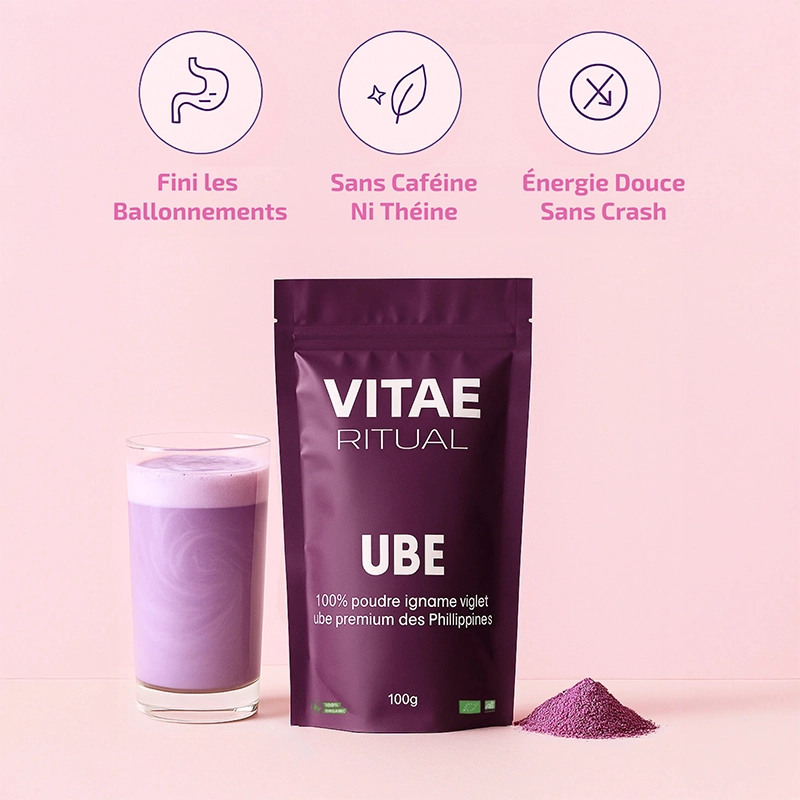


Ube: the purple tuber that seduces gourmets
Ube, also known as purple yam, catches the eye with its characteristic color and surprises with its sweet, vanilla flavor. Although this root vegetable is still a little-known delicacy in some European countries, it has held a place of honour in Philippine and other Asian cuisine for generations. Is this a trend or a real taste revolution? What's certain is that its nutritional profile, varied culinary possibilities and aesthetic appeal are attracting an ever-growing number of curious enthusiasts.
Origin and characteristics of ube
Ube isn't just a tuber with a unique look. Its source is mainly in the Philippines, where it is one of the most celebrated ingredients in traditional celebrations and everyday life. It's a root vegetable belonging to the yam family, whose natural pigment gives it that typical purple hue so intriguing on social networks.
The culture of ube goes back a long way. Renowned for its versatility, it has crossed Asian borders to find its way into creative kitchens the world over. From flour to ube powder to fresh root, there are a thousand ways to enjoy this colorful, nutritious gem.
Where does this vivid purple color come from?
The purple color of ube comes from natural pigments called anthocyanins, which are particularly rich in antioxidants. They're what make cupcakes and drinks shine their deepest purple, without any artificial coloring. This nuance marks both thevisual identity and the nutritional quality of the star ingredient.
These pigments don't just look pretty: they also come with a range of micronutrients that reinforce the tuber's health value and overall appeal. It's hard to resist this "Instagrammable" look, full of plant vitality!
What nutrients are found in ube?
Ube is packed with fiber, perfect for supporting digestion and prolonging the feeling of satiety. Its richness in vitamins and minerals (notably vitamin C, manganese and potassium) helps to cover part of the daily requirement, while naturally coloring plates and pastries with ube.
Thanks to its antioxidants, ube helps combat oxidative stress. It's easy to see that opting for this root vegetable goes far beyond the purely decorative: each portion brings sweetness and benefits to the body.
How to use ube in cooking
One of the special features of ube is its ability to go from savoury to pastry in the blink of an eye. Its grated, steamed or powdered form is often used in all kinds of recipes. The imagination knows no bounds with this product fromAsia. For those who want to enjoy the best of this tuber in convenient, concentrated form, order your Vitae Pure Ube here.
Its mild, slightly sweet taste with hints of vanilla makes it easy to incorporate into desserts, even if you're not an expert pastry chef. Cakes, creams, ice creams, trendy drinks... dare to stand out from the crowd with original, colorful creations.
Some must-try ube recipes
Halo-halo is one of the Philippines' flagship sweets. But other tempting dishes include purple yam pie, fluffy donuts and rolls filled with ube cream. The possibilities seem endless when it comes to discovering the tuber's potential. Don't hesitate to seek out new culinary suggestions specially designed to enhance your ube experience.
Fancy a light but stunning dessert? Turn ube powder into a creamy mousse, add it to your pancake batter or dare to revisit it madeleine-style. The purple color is sure to impress guests, while the vanilla touch is a pleasant surprise.
Focus on the star drink: the ube latte
The ubelatte is turning many heads among lovers of original drinks. Imagine a milky or vegetable base with a delicate ube note and subtle vanilla-like aromas. Trendy coffee shops are happy to include it on their menus, thanks to its photo potential and atypical taste. To make an ube latte is to explore one of the recent trends that is bringing ube to the forefront of our gourmet habits.
Making a homemade ube latte requires little technical skill: mix the ube purée or powder with your favorite milk, sweeten lightly and heat. Don't hesitate to sprinkle with spices or add a touch of vegetable whipped cream for the perfect gourmet touch.
The health benefits of ube consumption
Eating desserts or dishes containing ube provides an appreciable supply of dietary fiber, as well as vitamins and minerals. Including this tuber in your daily diet is a good way to vary your energy sources and balance your meals.
In terms of blood sugar levels, the presence of fiber slows the absorption of sugars. This makes ube an interesting starch alternative to sweet potatoes or regular potatoes. Its glycemic load remains moderate despite its mild, sweet flavour, which reassures when faced with sweet tooth cravings.
- 💜 Rich in beneficial antioxidants
- 🥗 High fiber content
- 🍠 A sweet/vanilla flavour that appeals to young and old alike
- 🌱 Complete nutritional profile (various vitamins/minerals)
- 🎨 Visual appeal with its unique violet color
Why does ube also fascinate pastry chefs and restaurateurs?
In addition to the undeniable visual effect, it's the ube's velvety flavor, oscillating between subtle sweetness and vanilla fragrance, that has captured the attention of chefs and foodies alike. Rarely has the marriage of visual surprise and aromatic finesse been so harmoniously combined in the world of gourmet foods.
Professionals love to use ube in elegant entremets, end-of-year logs or colorful inserts. The consistency of the ube powder or purée in preparations ensures an even finish and stimulates culinary creativity. Even when combined with chocolate, coconut or exotic fruits, the presence of purple yam broadens the palette of sweet - and sometimes savoury - pleasures.
| 🍰 Application | 👩🍳 Recipe type | 🌈 Visual/taste note |
|---|---|---|
| Ube pastry | Entremets, tart bases, mousses | Striking violet color, vanilla-natural taste |
| Drink ube latte | Hot or iced drinks | Instagram appearance, milky sweetness |
| Original entry | Cream soups, mashed potatoes, savoury gratins | Purple wow effect, melting texture |
Frequently asked questions about ube and its use
Can ube be replaced by purple sweet potato in cooking?
Purple sweet potatoes and ube are visually similar, but differ in taste. The ube offers a distinct sweet/vanilla flavor and a denser texture when cooked. It's possible to try a replacement for appearance, but the result will be less fragrant and less sweet. For baked goods requiring ube powder or specific purée, nothing beats the original and its subtle nuances.
In short, substitution works for appearance, but not for the particular taste of ube.
Where can I buy ube powder and related products outside Asia?
Ube powder and other specialties from this tuber can be found in most Asian grocery stores, sometimes in frozen, fresh or ready-cooked form. The growing success of this root vegetable has prompted some specialist websites and exotic sections to stock it from time to time in major European cities.
- ✨ Exotic supermarket shelves
- 🛍️ Traditional Filipino and Asian grocery stores
- 📦 International culinary e-commerce platforms
What are some easy do-it-yourself ube recipes?
There are a number of ways to enhance the purple color and melt-in-the-mouth texture of ube, even without being an expert. Ideas include
- 🎂 Madeleines with ube powder
- 🥤 Ube latte with instant mashed potatoes
- 🍮 Mousses and verrines glazed with purple yam
- 🥞 Purple pancakes for a fun brunch
The key is to play on color contrast and mild flavor to achieve an original effect in both desserts and innovative savory dishes.
What do you need to know before storing or cooking fresh ube?
Fresh ube should generally be peeled and cooked for a long time before consumption, as the flesh is quite firm. Once grated or puréed, it can be stored for a few days in the refrigerator. For longer-term storage, it's best to process it into ube powder or frozen purée.
| 🧊 Method | ⏰ Duration |
|---|---|
| Refrigeration | 2-4 days (cooked) |
| Freezing | Up to 3 months |
| Powder | 6-12 months (dry) |
Keep the ube in a cool place, away from humidity, and don't forget to cook the raw tuber thoroughly to ensure the best possible texture in recipes.